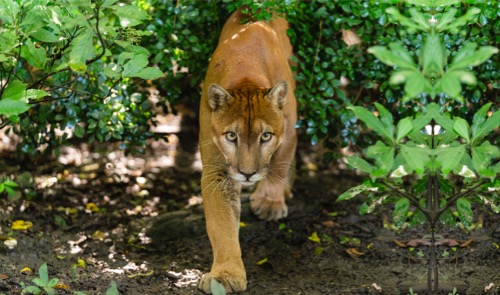
The head biologist of Las Pumas Rescue Center and Sanctuary (El Centro de Rescate y Santuario Las Pumas) was guiding visitors on the nonprofit organization’s newly created Wild Path Tour, a premiere experience where guests get a behind-the-scenes look at the center from Esther herself.
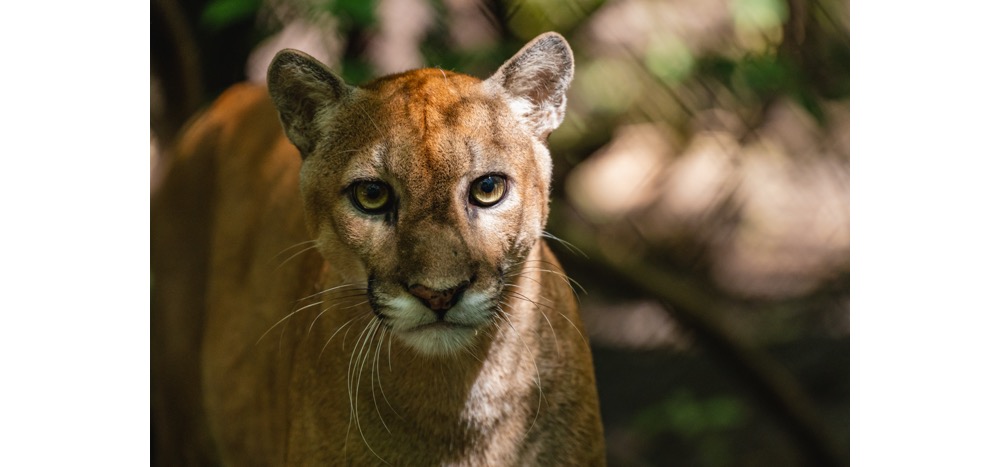
She was telling the small group of visitors about Corobicí, a puma with neurological problems who was rescued from the highway four years ago.
Just at that moment, for the first time ever, the puma started playing with his ball.
A casual passerby might have thought nothing of it, but because the guests were with Esther, they learned just how significant the moment was. She was able to explain, in detail, what it meant for the puma’s health and recovery after years of care from the hardworking team at the center—whose mission is to “rescue, rehabilitate, release, and guarantee the quality of life of the wildlife in Costa Rica”—and to show them just how meaningful the achievement was for her personally.
"Corobicí doesn’t react to the things we give him… He has a ball, but he never plays with it… He started playing with it just as I was giving the tour, so I started to cry — and one of the women on the tour cried right along with me.”

Esther says that while Corobicí’s breakthrough was an unforgettable moment, it was one of many opportunities she’s had to connect with visitors more deeply since launching the Wild Path Tour—an experience that Las Pumas created as a result of training and grant funds from Amigos of Costa Rica last year. The private tours with the head biologist have not only generated a new revenue stream for the nonprofit, but also launched new donor relationships with people who are fascinated by what they learn during their time with Esther.
From training to practice
That seed for that moment with Corobicí was planted in July 2024, when Esther and nine other participants from Amigos of Costa Rica affiliate organizations with an environmental focus participated in a revenue diversification training that Amigos offered through a collaboration with Little Big Fund.
In the five-week course, participants learned about crafting a compelling narrative and problem statement, and creating a full proposal for an initiative that would generate a new revenue stream for the nonprofit.
Following coaching to fine-tune their proposals, they were able to submit their ideas for consideration for matching grants from Amigos to bring them to fruition.
Through this process, Esther and the team at Las Pumas created the idea for the Wild Path Tour—a private experience that would be longer than the regular tour (1.5-2 hours, compared to one hour for the general public) and would be sold at a higher price point for visitors with a keen interest in wildlife conservation and biology.
Amigos Affiliate Coordinator Adriana Alfaro explains following coaching to fine-tune the proposal, Esther was selected to receive a $2,500 matching grant from the Amigos Environmental Fund if she could raise $2,500; a total of $12,680 from this fund were granted to 5 organizations, including Las Pumas.
Esther raised the funds, received the matching grant in February 2025, and used it to hire a communications and marketing professional to prepare the market research, design elements, promotional strategy, and website that would be necessary to sell the tour, as well as signage and other materials. She continued to receive coaching and support from Adriana during the launch of the tour in June 2025. Tickets to the tour are also purchased via the tools that Amigos makes available to its affiliates. The tour’s slogan: "Each step reveals a story. Each story, a second chance."
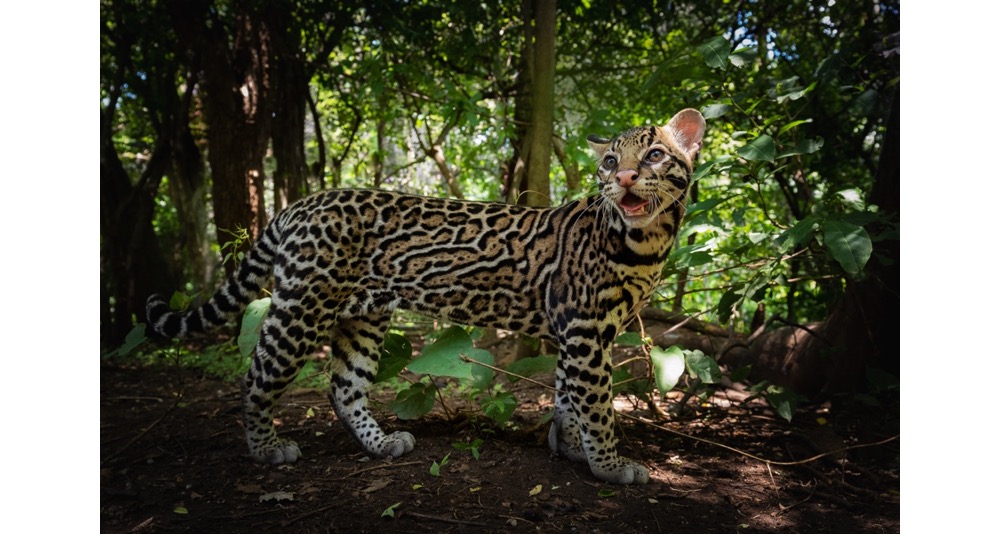
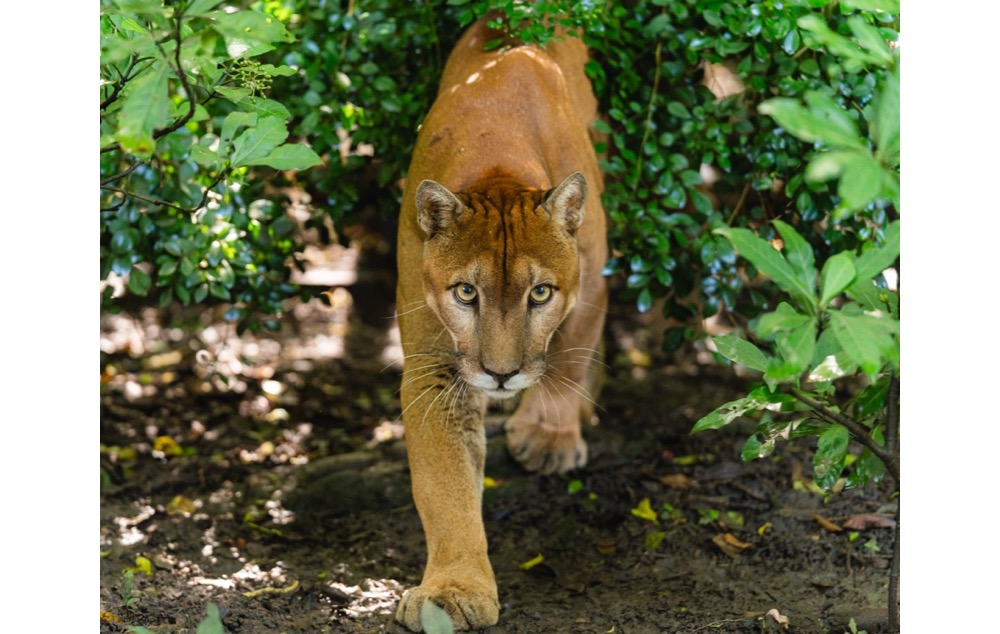
behind-the-scenes experience at Las Pumas Rescue Center.
‘It has sold itself’
While Esther says she has not yet been able to promote the tour with travel agencies the way she’d originally planned—she plans to increase this in the coming months, and has all the materials ready thanks to the grant she received—the new product sold regardless.
“It’s moved on its own,” she says. “Because of a lack of time, I haven’t been able to promote it much, but it has sold itself.”
At the time of our conversation on Feb. 19, she had sold 40 tours. "This week, I’ve done one every day,” she says. “And now agencies are starting to book it.”
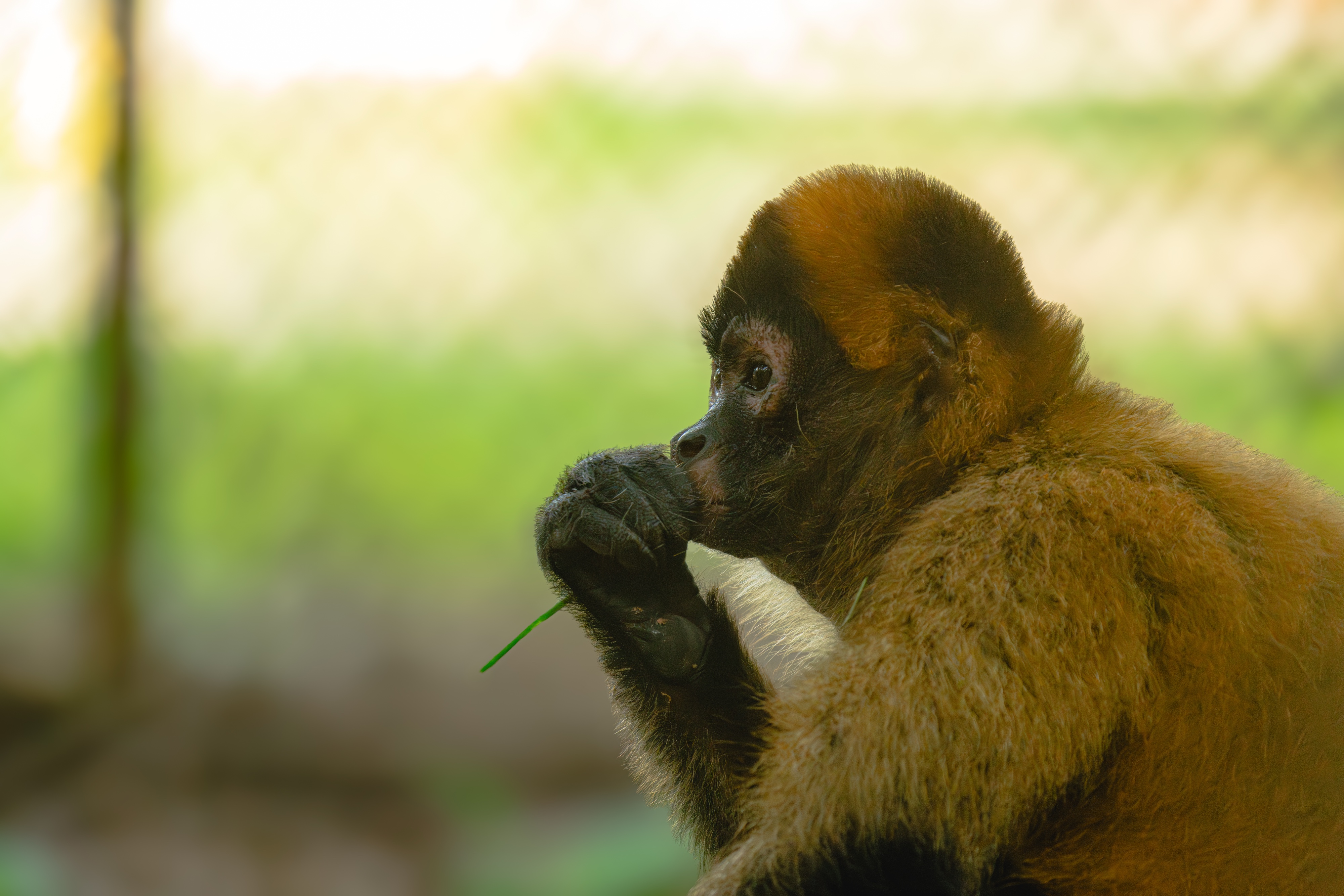
In just over six months, Las Pumas has more than recovered its investment. The tour has brought in $7,700 in revenue—$5,700 more than Las Pumas would have received if those visitors had visited Las Pumas for the regular tour—as well as $4,000 in donations from people who, after an intensive experience at Las Pumas, have donated as much as $1,000 when their tour is over.
While the tours do place demands on Esther’s time, she offers only the number of booking windows that work for her given her availability during a given week. What’s more, she says that the time with these high-interest visitors pays its own dividends in terms of conversations she’s able to have with people who are highly invested in the center’s mission.
Esther adds that for the nonprofit, it’s a win not only in terms of numbers, but in terms of self-confidence and self-respect. It shows that the deep knowledge and experience amassed within a specialized nonprofit are their own asset, and one that people are willing to pay to access.
“For us, it was a matter of believing it was possible... In placing greater value on all of our knowledge and the effort we put in.”
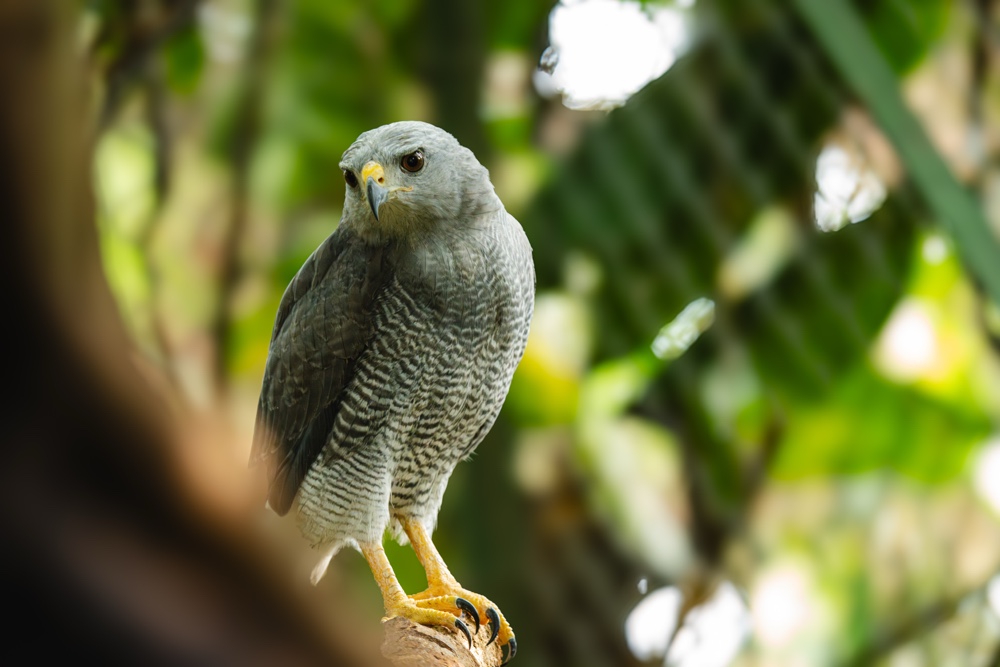
Adriana says this journey from training through a matching grant and ongoing coaching is a great example of where Amigos could invest time and energy as it continues to expand its affiliate programming.
“Esther is a fantastic example of an affiliate organization leader that has joined our trainings with real determination to put in hard work and effort. We see value in Amigos shifting from providing more general trainings, to focusing on organizations that can, with just a bit of financial and coaching support, have significant and long-lasting results.”
— Adriana Alfaro, Amigos of Costa Rica
Related: Watch the Wild Path Tour →